


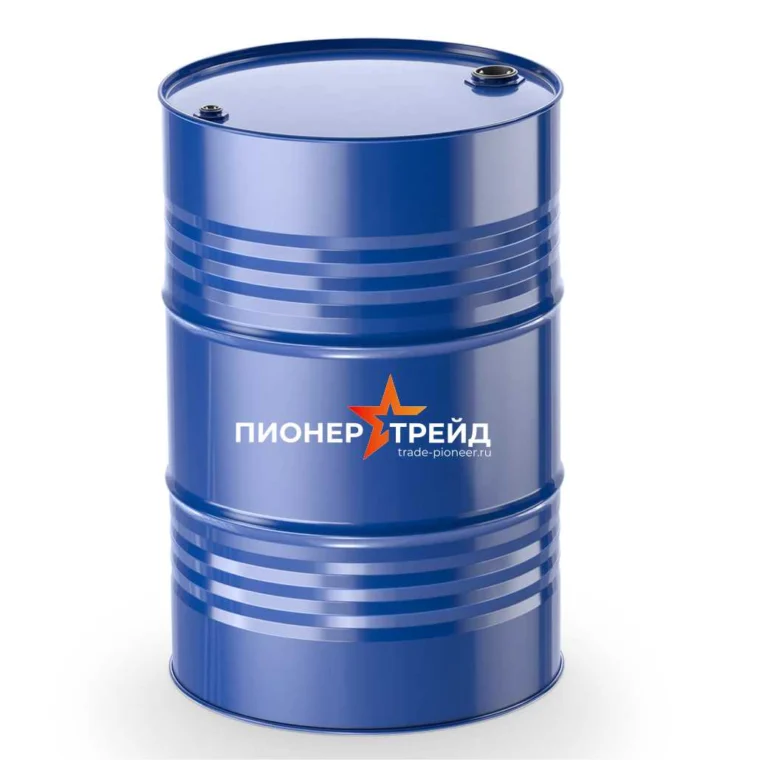
Naphthenic oil
Naphthenic oil is a hydrotreated base oil with low viscosity, excellent low-temperature characteristics, and a high degree of purification.
Naphthenic oil belongs to the fourth hazard class.
Delivery / pick-up.
The CAS registration number is a unique numerical identifier for chemical compounds that are listed in a special international registry (Chemical Abstracts Service).
The CAS number allows for the unique identification of a specific substance, which may have multiple names and synonyms. Typically, the number consists of digits separated into three parts by hyphens. One CAS number can contain up to 10 digits.
On the website https://trade-pioneer.ru/, you can easily identify your product in our catalog using the specified CAS number.
For example, Adipic acid has CAS number 124-04-9.
Sodium chlorate has CAS number 7775-09-9.
MSDS (Material Safety Data Sheet) is a safety data sheet for chemical products, it is a document containing information about the hazard characteristics of chemical products during their production, transportation, storage, use, and disposal.
This is a mandatory document for the import/export of products, during cargo transportation and customs clearance. The MSDS safety data sheet consists of 16 sections, which contain information about the manufacturer, the hazard class of the product, physico-chemical properties, rules of storage and handling during transportation, loading and unloading.
Incoterms (International Commercial Terms) – are international rules that define the terms of delivery of goods, developed by the International Chamber of Commerce. These rules were first applied in 1936, and today they include eleven delivery bases, each with a corresponding letter designation. Incoterms rules govern key aspects of international logistics, including:
- The distribution of responsibilities between the seller and the buyer;
- The distribution of delivery costs;
- The transfer of risks for potential damage or loss of goods.
The international trade rules Incoterms include eleven bases of delivery of goods, which are divided into letter designations describing the distribution of responsibilities between the seller and the buyer. These names consist of three Latin letters: EXW, FCA, FAS, FOB, CFR, CIF, CIP, CPT, DAP, DPU, DDP.
Let’s decipher some of the most popular schemes of interaction:
- FCA – a basis in which the seller delivers the goods to the point of shipment and transfers it to the carrier. The buyer is obliged to arrange and pay for the transportation of the goods, and to carry out customs procedures at the destination.
- FOB is used for sea and river transportation. The seller fulfills its obligations when it delivers the goods placed on board the ship. The buyer is obliged to pay for sea transportation, all import duties, and delivery of the goods to the warehouse.
- DAP is a basis in which the seller pays all customs and export duties and arranges the delivery of the goods to the destination. The buyer is obliged to pay for import duties.


